 EN
EN

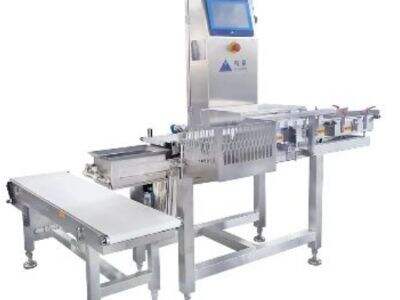
For businesses looking to adopt a smarter approach to safety and quality of products, integrating an X-ray inspection system into the current production line they use, proves to be a wise investment. These systems are designed to find any hidden issues of products, guaranteeing only the best products are sent to customers. For a company like Jing Liang, an industrial manufacturer that takes on other companies’ production, adding X-ray machines to the operation can also help catch mistakes and defects before they become costly problems. This can ultimately save money and time, as not only the customers are protected. But such transformation is not without technological and production-process risks that need to be well managed
Typical Use Problems of X-Ray Inspection System & Solutions
When companies initially adopt X-ray inspection systems it’s not uncommon for them to encounter a few hiccups. For instance, they could be improperly configured machines resulting in low image quality or a failed detection. There could be a learning curve for the staff in getting up to speed on how to use the machines, resulting in delays there as well. This can be irritating, since the whole point is to make things smoother and faster. To address these issues, proper training should be made available to all those who are involved. Training can teach them how to use the machines effectively and what to look for in the images
There is also the issue of caring for the X-ray systems. If not kept in good repair, machines can stop running properly or start producing incorrect results. This can slow down production and result in expensive mistakes. Creating a maintenance schedule might help the keep machines running smoothly. It also helps to have a quick-response team ready to address any technical glitches. The likes of Jing Liang are known to take this pre-emptive step to prevent downtime and ensure quality
Finally, the X-ray systems can present difficulties with integration and slow down your line when poorly executed. This may occur if the X-ray inspection is not well synchronized with other operations. To prevent this, you really need to have a plan in place for how you will use X-ray inspection within the context of your entire workflow. That could entail varying speeds, or more machines running in parallel to keep the line moving. It can work; linking up with pros who know the territory well is critical to finding the most effective ways to get those systems running smoothly alongside existing lines
Maximizing your production line with next generation X-Ray inspection Assembly
To extract efficiency to the maximum of X-ray technology, it is necessary for companies to consider how they might streamline their production lines. First and foremost, it all depends on having the proper kind of X-ray machine for the specific products being produced. Variety of products may require different quality inspection so choosing the proper equipment is one of the key steps. Jing Liang, for instance, actually homes in on custom while each machine has its own channel
Another strategy to minimize would be to employ sophisticated software that accompanies modern X-ray systems. The software can process images rapidly and deliver immediate feedback, so operators would be alerted to problems. It can also be used to track performance over time, showing companies where they are trending and what needs improvement. For example, if one specific product often has defects, they can make modifications on the line to eliminate the root cause
Moreover, the integration of X-ray inspection with other technologies can achieve better efficiency. Utilising real-time data from X-ray systems in combination with production analytics can allow bottlenecks to be easily identified in the line. If a company knows where its delays are occurring, it can make rapid changes to keep everything moving. Jing Liang advises businesses to link these systems with their other data management tools for a fuller picture of their production
Don’t forget to keep the team in the loop as well. Receiving input from operators and technicians who are using X-ray systems on a daily basis can result in practical improvements. They might know how to tweak settings or alter workflows to improve the process. By hearing their stories, we can enable organizations that foster continuous improvement and innovation. In this way, the installation of X-Ray Inspection systems not just contributes to product quality but increases production line efficiency overall

Wholesale Buyers Guide: What You Need to Know About X-Ray Inspection Compliance Standards
To sellers who buy in bulk, it’s crucial to know what the X-Ray inspection compliance standards are. These standards help ensure that the products you sell are safe to use for customers. X-ray inspection systems use special machines that snap images of items with X-rays, similar to how a doctor uses an X-ray to see inside a body. This helps trace issues like metal parts or other harmful substances concealed within products
In order to adhere to compliance standards, you need to understand the rules that pertain to your industry. Safety and inspection rules vary depending on the country and industry. For instance, food and medicine have strict rules because they can impact a person’s health. You should verify with local authorities or industry groups which rules apply to you. It is also wise to work with a firm like Jing Liang that knows these standards. They are also able to verify that the X-ray devices you wish to buy will meet the standards
If you’re purchasing products, always ask suppliers if their products have been screened using X-ray inspections. This demonstrates their concern for safety. It's very important to keep a record of these inspections. In case you ever need to troubleshoot a product, knowing this can help you track down and fix the problem fast. Just remember that adhering to compliance guidelines does not just protect your customers, it benefits your business by allowing you to gain a good reputation. Customers will feel more comfortable with you if they know that you take safety seriously
Where to Get X-Ray Inspection Machines That Will Improve Product Safety
The importance of X-ray inspection equipment in product security Whether they be food products, or medications and other chemicals, it is highly important to make sure that any merchandise being purchased is safe for human use. As a wholesale buyer, you need to ensure you get superior quality machines that perform excellently. Now is a great time to start looking online. There are dozens of websites dedicated to safety equipment and inspections. You can look up from other buyers the X-ray inspection systems. This will allow you to gauge which machines work best
Trade shows or industry exhibitions are also good ones to attend. These events provide the opportunity to view and interact with the machines, and speak directly to the manufacturers. At these shows, you can ask questions about what the machines do, how they work and what kind of support is available after you purchase them. Companies such as Jing Liang will often come keep you company at events like these, so you can find out more about what they offer
Once you do find some, don’t jump at buying. Spend some time comparing machines. Examine the size, cost and technology being employed. Some machines might work better for some types of products than others. Definitely select the right machine for your needs. You'll also want to consider the company's warranty and customer service support. Pity customer service is also critical if you need help setting up or repairing the machine later. And keep in mind - purchasing reliable and quality X-ray inspection equipment is an investment both in your product safety and consumer safety
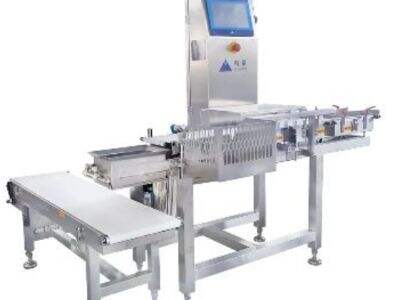
Things to Keep in Mind When Including X-Ray Inspection Systems in Your Process
Incorporating X-ray inspection systems into your operation may involve a lot of work, but it can be achieved without compromising on quality. The first step is you need to evaluate your current line. Consider what spot would be best for the X-ray machine. You want to position it in a location where it can comfortably scan items without being an impediment to your operations. Discuss the changes with your team. They could have a wealth of information on how to complete the integration effort the easy way
Next, think about the training you’ll need for your staff. A method that’s not as straightforward as pushing a button. Your staff requires training on how to use the machine in a safe, effective manner. A firm like Jing Liang may offer training sessions to make your staff feel confident and informed. This education may involve learning to read the X-ray images, and what to look for in terms of quality control
Last but not least, consider X-ray inspection system maintenance. And to keep the machine running well, it requires regular checks and maintenance. Establish a maintenance schedule and ensure that your team knows whom to contact when there are problems. By keeping your machinery in good working condition you are increasing the likelihood of maintaining a safe product for consumers. By following these guidelines, you will be able to implement X-ray inspection systems into your processing system effectively; improving the quality and safety of your products without reallocating resources unnecessarily
Table of Contents
- Typical Use Problems of X-Ray Inspection System & Solutions
- Maximizing your production line with next generation X-Ray inspection Assembly
- Wholesale Buyers Guide: What You Need to Know About X-Ray Inspection Compliance Standards
- Where to Get X-Ray Inspection Machines That Will Improve Product Safety
- Things to Keep in Mind When Including X-Ray Inspection Systems in Your Process