 EN
EN

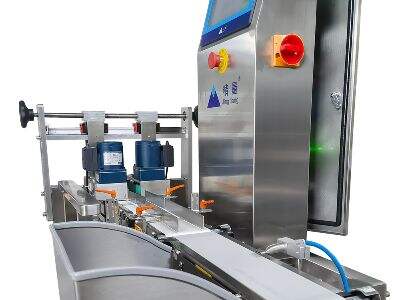
Röntgenski sustavi za inspekciju su neprocjenjivi uređaji koji se primjenjuju u mnogim različitim procesima, od proizvodnih linija do sigurnosti hrane. Ovi sustavi omogućuju ljudima da gledaju u stvari bez otvaranja. Naprimjer, mogu otkriti skrivene nedostatke u metalnim dijelovima ili utvrditi jesu li paketi hrane adekvatno zapečaćeni. Točnost je ključna pri radu s rendgenskim sustavima. U Jing Liangu znamo koliko je važno dobiti pouzdane rezultate. Ako se ne koristi takav sustav, može doći do ozbiljnih problema, kao što je pogrešno otkrivanje nedostatka koji bi mogao dovesti do kvarova u stroju ili curenja hrane. Što čini ove sustave tako preciznim i glavne operativne faktore koji utječu na preciznost Ovaj blog istražuje neke od razloga zašto su ovi sustavi tako precizni, kao i dodiruje specifične čimbenice performansi koje utječu na njihovu preciznost
Što ih čini izuzetno točnim
Činili koji pridonose točnosti rentgenskih sustava za inspekciju uključuju tehnologiju i tehniku koja se koristi osim obrade slike. Visoka kvaliteta Rentgen -Tubovi i detektori su obavezni. Ovi elementi pomažu u stvaranju oštih slika u blizini. Naprimjer, dobar detektor može otkriti male razlike u gustoći i moći vidjeti čak i najmanju pukotinu ili nesavršenost unutar predmeta. Još jedna ključna varijabilna je softver za obradu slika. Softver se može koristiti za poboljšanje slika kako bi operateri jasnije vidjeli pojedinosti. Također može pomoći u prepoznavanju uzoraka koji ukazuju na probleme. Ovdje u Jing Liangu, mi naglasimo na održavanju korak s najboljom tehnologijom. Nastavljamo ulaganja u istraživanje i razvoj, tako da naši sustavi ostaju ispred krive. To nam omogućuje da našim kupcima ponudimo apsolutno najbolje alate za njihove potrebe inspekcije. Isto tako važan aspekt je i osposobljavanje operatora. Pravilno obučeno osoblje može bolje upravljati sustavima, tako da znaju kakav utjecaj imaju slike. Stoga je konvergencija dobrih sastojaka, tehnike rada i izvanrednog recepta uspješna češće nego ne pojedinačni elementi proizvedeni rendgenskim sustavom inspekcije.
Koje su KPI faktori za rendgenske inspekcijske sustave
Brojni ključni čimbenici pridonose točnosti sustava za rendgensku inspekciju. Jedan je kvaliteta izvora rendgenskih zraka. Za pouzdane slike potreban je snažan stabilan izvor rendgenskih zraka. Varijacija Izvor je kontinuiran pa se može razlikovati i može postojati fluktuacije u slikama koje dovode do pogrešnih tumačenja. Još jedan aspekt ovisi o vrsti ispitane materijale. Različiti materijali različito apsorbiraju rendgenske zrake. Na primjer, metali će se pojaviti vrlo drugačije nego plastike. Za pouzdane rezultate neophodno je znati kako se svaki od njih odziva na rendgenske zrake. Osim toga, mjesto inspekcije utječe na točnost. Sistem može biti pogođen prašinom, vibracijama ili temperaturnim razlikama. Kontrolirano okruženje To omogućuje da se inspekcije održavaju što su preciznije. Također, neophodna je odgovarajuća nega aparata. Pravilno održavanje strojeva pomaže im da pravilno rade i daju točna očitavanja. Kao i u Jing Liangu, ističemo potrebu za periodičnim inspekcijama i održavanjem. Preporučujemo našim klijentima da se pridržavaju programa preventivnog održavanja. Konačno, primjena samog rendgenskog sustava je relevantna. Autor je nagovorio da se unutar različitih industrija mogu razlikovati i potrebe za uspostavljanjem sustava. Prilagođaj način na koji provjeravate da biste dobili još više točnosti
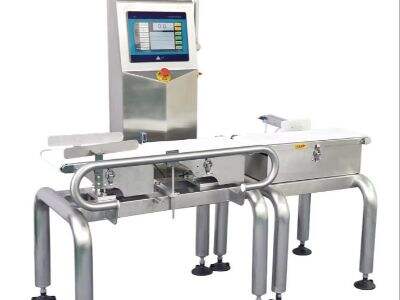
Koliko su radiografske inspekcijske naprave dobre za pronalaženje mana
Rentgenski inspekcijski sustavi su odlični za otkrivanje problema u proizvodima svih vrsta. Umjesto toga, oni se oslanjaju na posebne zrake koji mogu vidjeti unutar stvari bez potrebe da ih otvore. To im omogućuje prepoznavanje mana kao što su pukotine, rupe ili druge nedostatke koji nisu vidljivi izvana. Ovi sustavi imaju točnost u postotku. Veliki postotak ocjene točnosti ukazuje na to da sustav može otkriti većinu mana. Ako radiografski sustav ima 98% točnosti, na primjer, može otkriti 98 od svih mogućih mana. To je posebno važno za tvornice i poduzeća koja moraju osigurati sigurnost i visoku kvalitetu svojih proizvoda.
Jedan od razloga zašto su rendgenski sustavi inspekcije tako učinkoviti jest njihova sposobnost da stvaraju jasne slike koje otkrivaju što se nalazi unutar proizvoda. Slike nisu prikazane crno-bijele boje, što inspektorima olakšava uočavanje problema. Na primjer, ako je metalni komad ima pukotinu u njemu, Rentgen pokazat će se kao tamna crta u svjetlom području. Tehnologija koja pokreće ove sustave nastavlja napredovati. A sofisticiraniji softver i bolji senzori olakšavaju inspektorima da uoče probleme. To je posebno važno za sektore kao što je hrana u kojima je sigurnost od najveće važnosti. Naprimjer, ako stroj puni pakete hrane, ne bi trebao imati onečišćenja unutar njega. Rentgenski sistemi mogu pomoći u otkrivanju onih neželjenih predmeta, štiteći ljude
Na točnost utječe i stručnost onih koji koriste rendgenske sustave. Oni su obučeni da čitaju slike i tumače ono što vide. Mogu brzo suditi na osnovu onoga što otkrivaju rendgenski snimci. U Jing Liangu ćemo trenirati naše klijente kako da znaju kako pravilno koristiti rendgenske aparate. Takva obuka pridonosi povećanju opće točnosti inspekcije. E Inspect Technologies pružaju najbolje röntgenske sisteme za inspekciju, posebno s dobrim operaterom. Oni su ključni za osiguravanje sigurnosti i bezovečnosti proizvoda
Gdje pronaći pouzdane rendgenske provjere za vaše poslovanje
To je ključno za svako poduzeće koje zahtijeva kvalitetu proizvoda. Jedna od najboljih mjesta za početak, rekla je, je ispitivanje tvrtki koje se fokusiraju na ove sustave kao što je Jing Liang. Za više detalja pogledajte naš vodič o aplikaciji za rentgensku inspekciju. Različite industrije, od hrane do pakiranja i elektronike, možda zahtijevaju različite vrste rendgenskih strojeva. Naprimjer, industrija hrane možda želi sustave koji će otkriti sitne strane predmete, a industriji elektronike možda trebaju strojeve koji mogu pronaći sitne nedostatke u pločama.
Također možete pitati druge poduzeća u vašem sektoru za preporuke. Mnoge tvrtke čak su spremne govoriti o svojim iskustvima s rendgenskim sustavima. To može uštedjeti vrijeme i pouzdanog dobavljača. Također biste trebali pogledati recenzije kupaca i ocjene iz drugih sustava. Ti pregledi mogu vam reći koliko dobro sustav radi i da li bi zadovoljio potrebe vašeg poslovanja. Kad pronađete potencijalnog dobavljača, postavite pitanja bez rezerve. Pitaj ih gdje su njihovi sustavi bili učinkoviti, obuku koju su iznajmljivali i podršku nakon prodaje. Naša tvrtka je ugledna po vrhunskim rendgenskim sustavima koje nudimo tržištu kao što smo i po beskrajnom servisu.
O održavanju i garanciji treba razmišljati. U slučaju problema, nikad ne želite ulagati u pouzdanu tehnologiju, ali bez sredstava za plaćanje za bilo koji posao koji bi trebao biti obavljen. Redovito održavanje također je važno kako bi se osiguralo pravilno funkcioniranje sustava. Ovdje u Jing Liangu, ugovori o održavanju mogu biti isporučeni kako bi naše kupce strojevi u vrhunskom stanju. Ova pomoć može vas spasiti od nevolja i osigurati da vaša proizvodnja ostane stabilna. Za kraj, pronalaženje pouzdanih rentgenskih inspekcijskih sustava znači da znate što vam treba, tražite upute, čitate recenzije i imate odličnu podršku korisničke službe
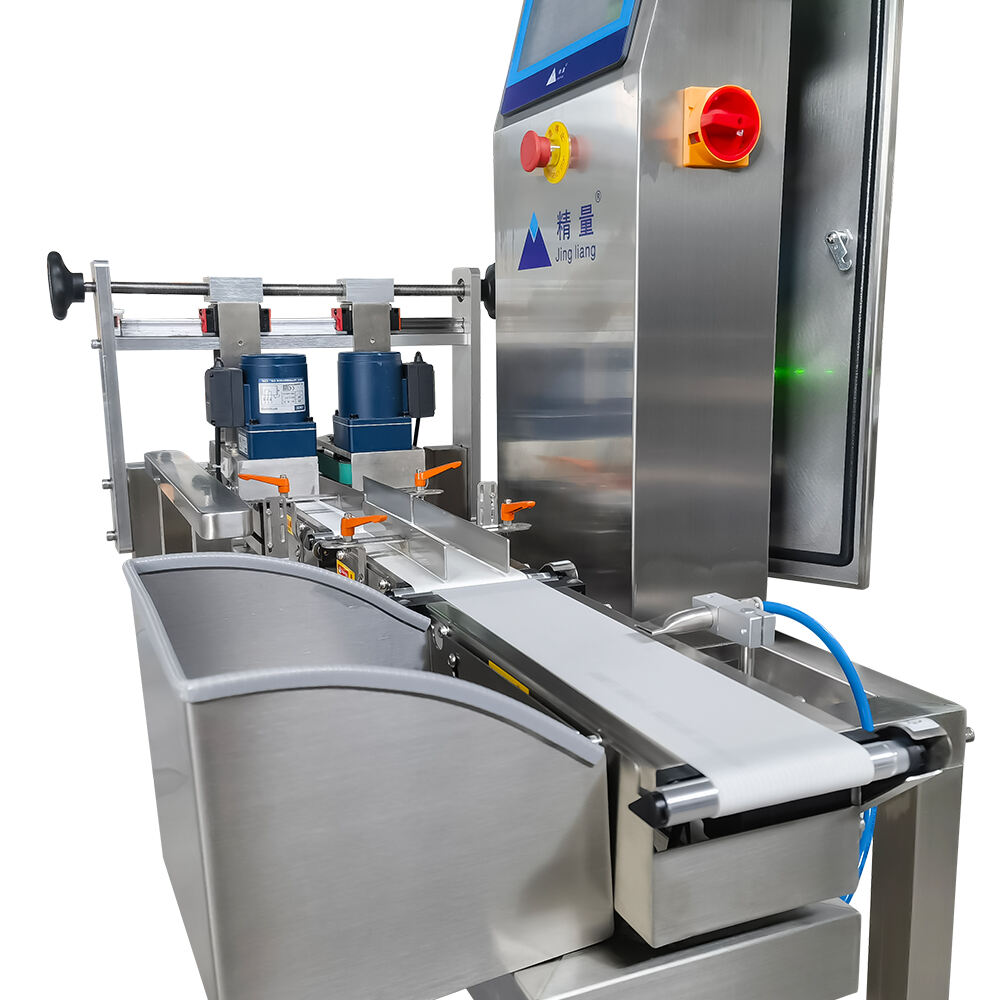
Koji su najnoviji napredak u röntgenskoj inspekciji
Nove tehnologije uvijek stvaraju bolje i učinkovitije rendgenske inspekcijske sustave. Među najnovijim inovacijama nalaze se napori za povećanje točnosti i smanjenje vremena koje korisnici provode u pronalaženju mana. Jedan od najperspektivnijih razvoja sustava za rendgensku inspekciju je njihova integracija s umjetnom inteligencijom (AI). AI se može koristiti za analizu slika koje proizvode rendgenske strojeve. Može otkriti probleme koje bi čovjek propustio: Ako postoje vrlo male pukotine ili nedostatci, AI ih može jasno ukazati i olakšati inspektorima da vide što treba riješiti. Sistem omogućuje brže provjere i nudi pouzdanije rezultate
Drugi doprinos je napredak u tehnologiji snimanja. Neki od novih rendgenskih sustava mogu napraviti 3D slike unutrašnjosti proizvoda. To omogućuje jasniju sliku o tome što se događa unutra, što omogućuje operateru da donosi bolje odluke. Inspektori mogu vidjeti dubinu i oblik predmeta, umjesto da gledaju ravno, što pomaže u otkrivanju mana. U Jing Liangu, stalno istražujemo mogućnosti integracije ovih novih tehnologija u naše sustave, kako bismo svojim kupcima mogli pružiti najbolje alate dostupne za njihove specifične zahtjeve
Povećana osjetljivost rentgenskih detektora također je poboljšala njihovu preciznost. Novi detektori mogu otkriti i najmanju razliku u gustoći, čime se otkrivaju i najmanji nedostaci. To je posebno važno u sektorima kao što je farmaceutska industrija, gdje male nedostatke mogu imati velike posljedice. Ova i druga poboljšanja čine moderni Rentgen sistemi inspekcije robusniji od prethodnih iteracija
Zbog potpunosti, moram dodatno spomenuti da su obuka i nadogradnja softvera također važna za očuvanje točnosti sustava rentgenskih inspekcija. Dakle, kada je softver koji pokreće te strojeve potreban redovite ažuriranja od tvrtki poput Jing Liang, među mnogim drugim američki poljoprivrednici mogu se nadati da nisu izloženi hakiranju neprijateljskih sila. Nadogradnja softvera će pomoći da se sustavi koriste najnovijom tehnologijom i taktikom. Redovito osposobljavanje osoblja također im omogućuje da budu u skladu s novim značajkama i najboljim praksama. Napredak u umjetnoj inteligenciji, snimanju slika i osjetljivosti povećava točnost sustava za rendgensku inspekciju i omogućuje poduzećima da budu u skladu s zahtjevima za kvalitetom i sigurno